Repair & Restoration
Restore What Can Be Restored.
Engineering-led repair and restoration for turbine-generator components based on actual inspection findings, equipment condition and overhaul requirements.
From bearings and steam seals to valves, rotor components and generator components.
Repair Based on Condition
Not Every Defect Requires the Same Solution.
Repair decisions should be based on inspection results, measurements, component condition, technical requirements and the feasibility of restoration.
Accept
No corrective work required.
Adjust
Restore condition through adjustment.
Repair
Restore the component through an appropriate repair process.
Replace
Replacement is recommended when repair is not technically appropriate or economical.
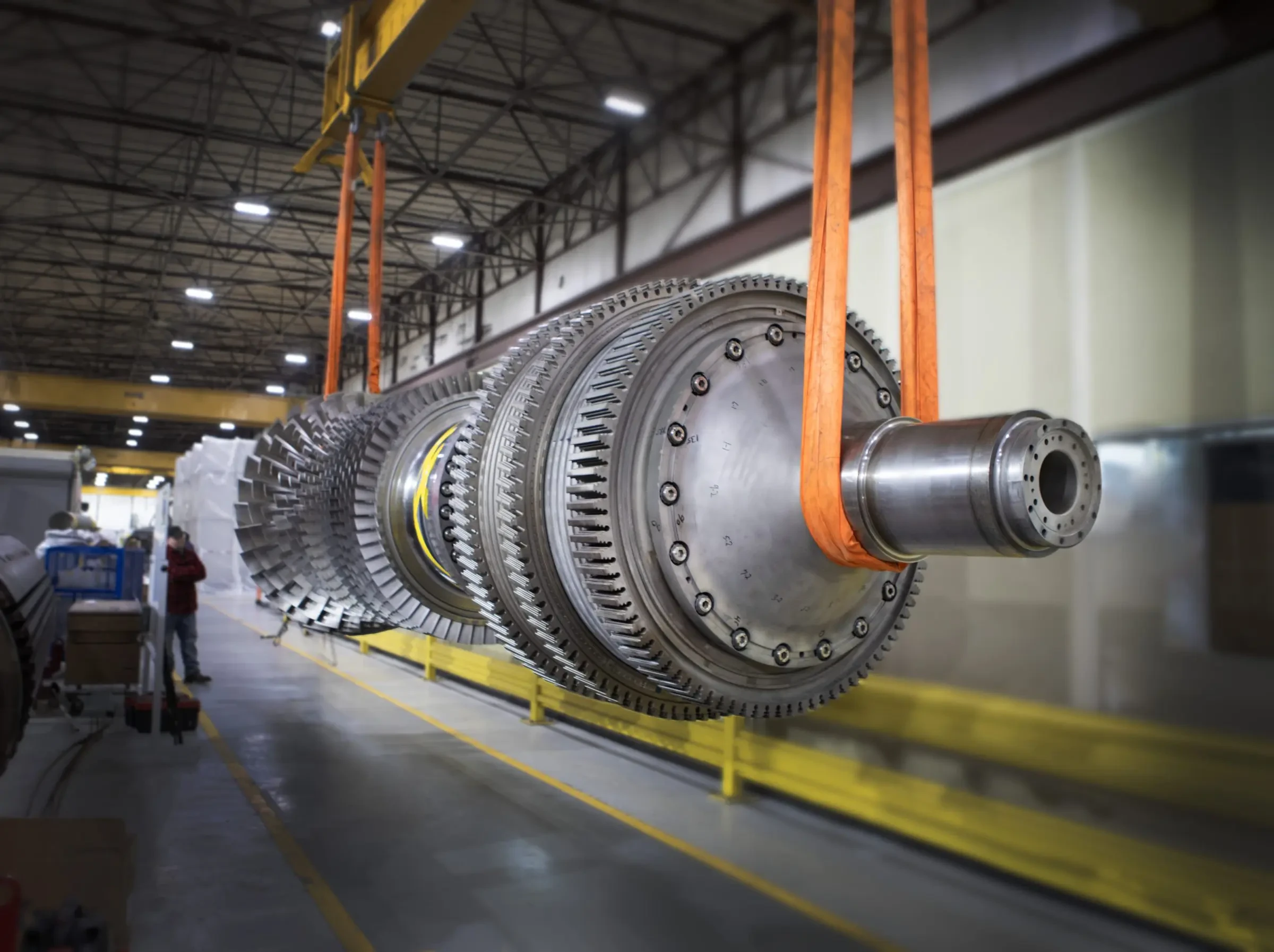
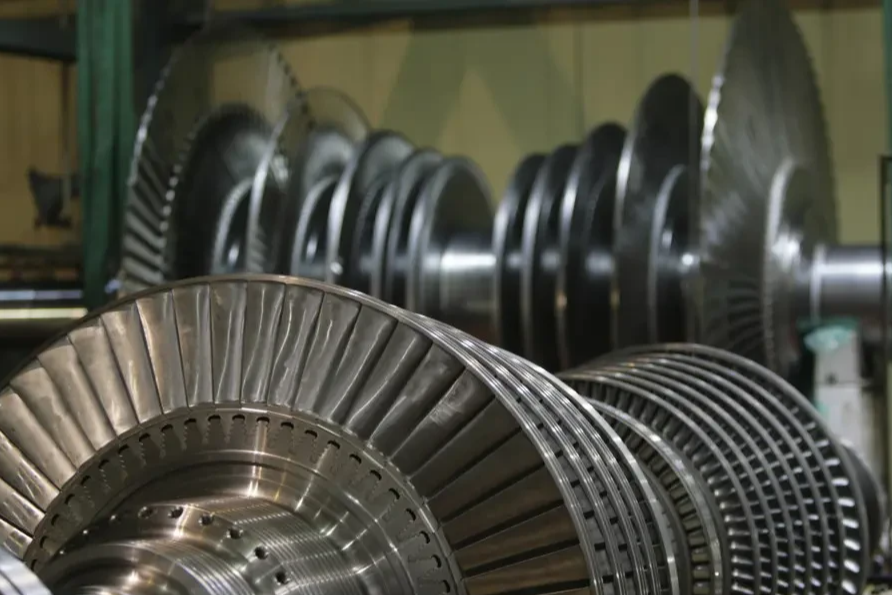
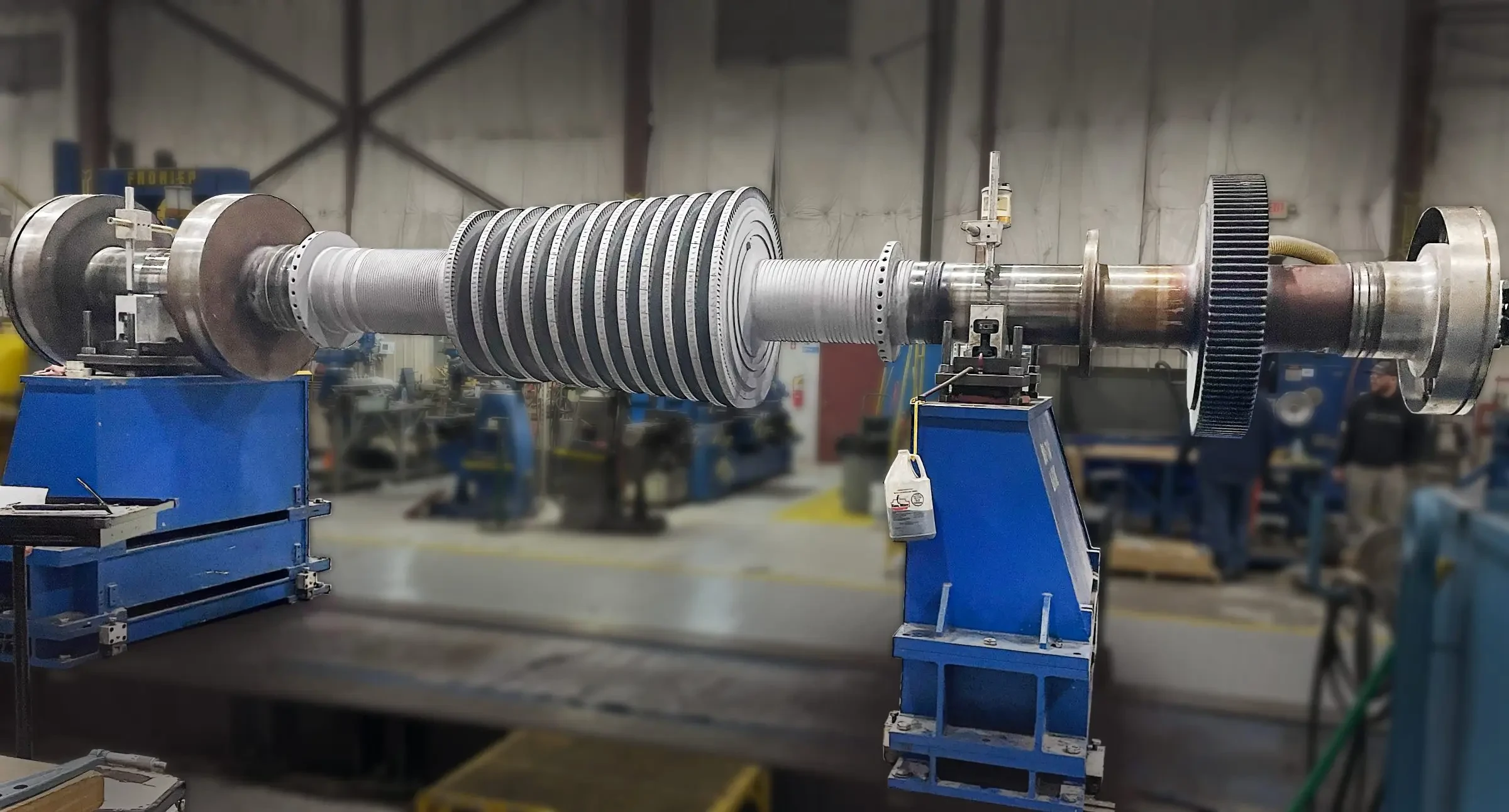
Turbine Rotor Repair
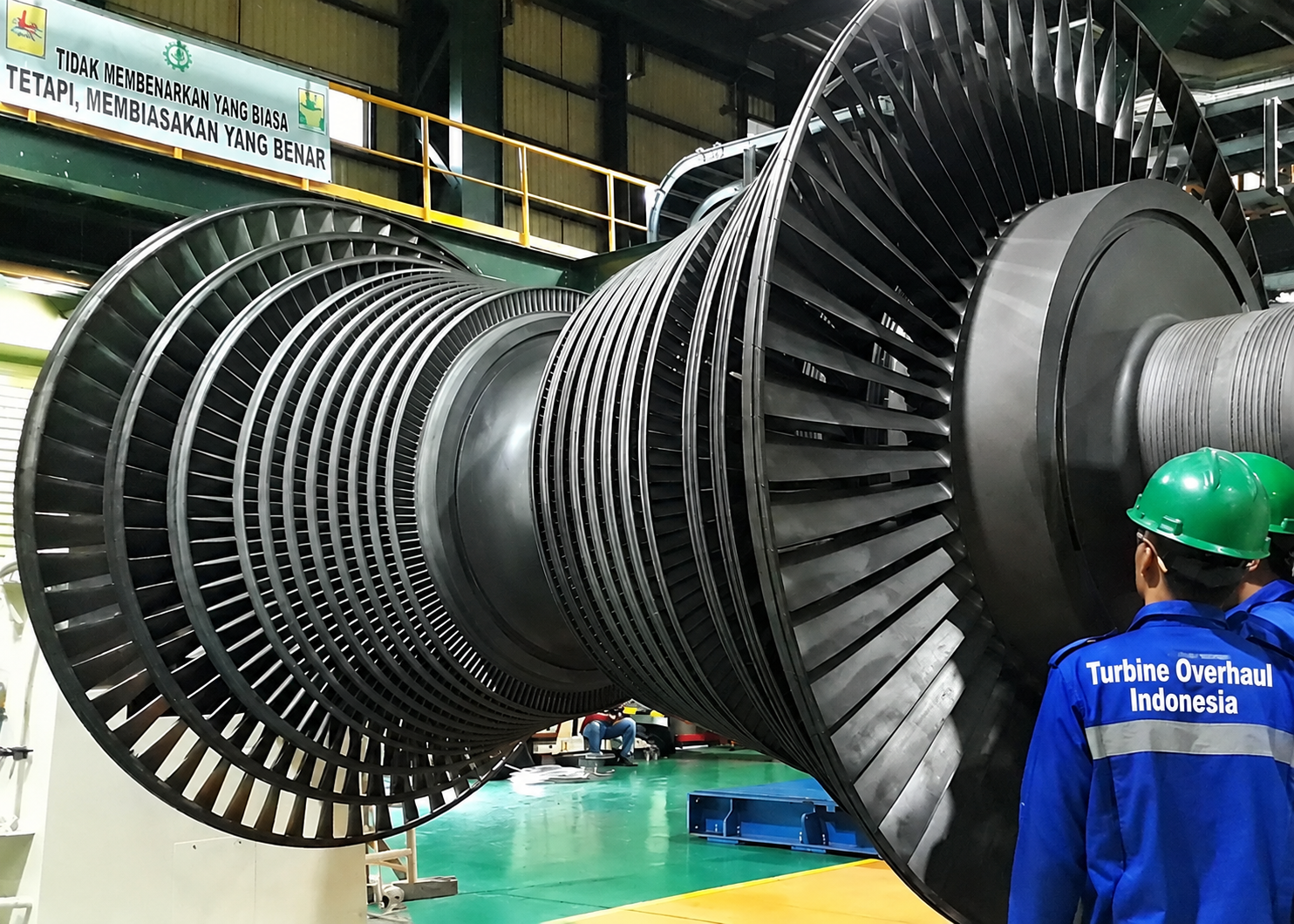
Rotor-related findings require careful assessment because rotor condition directly affects the turbine shaft train and reliable operation.
- Journal surface restoration
- Local surface defect treatment
- Coupling-related corrective work
- Rotor component restoration
- Relevant dimensional restoration
- Runout-related assessment
- Cleaning and surface treatment
- Further specialized repair where technically required
Repair method is determined according to defect type, component condition and technical requirements.
Bearing Repair & Restoration
Bearing condition is evaluated through surface inspection, contact condition, clearances and journal condition before corrective work is determined.
- Bearing surface inspection
- Contact condition assessment
- Bearing clearance correction
- Surface restoration where applicable
- Local defect treatment
- Bearing adjustment
- Replacement where required
- Final clearance verification
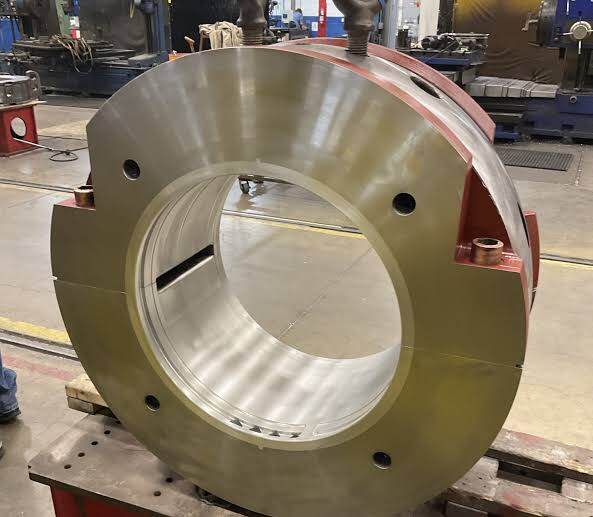
Blade & Flow-Path Component Repair
Blade and flow-path defects identified during overhaul are assessed individually to determine whether cleaning, local restoration, repair or replacement is appropriate.
- Deposit removal
- Surface restoration
- Local defect treatment
- Blade repair
- Diaphragm-related repair
- Flow-path component restoration
- Replacement recommendation where repair is unsuitable
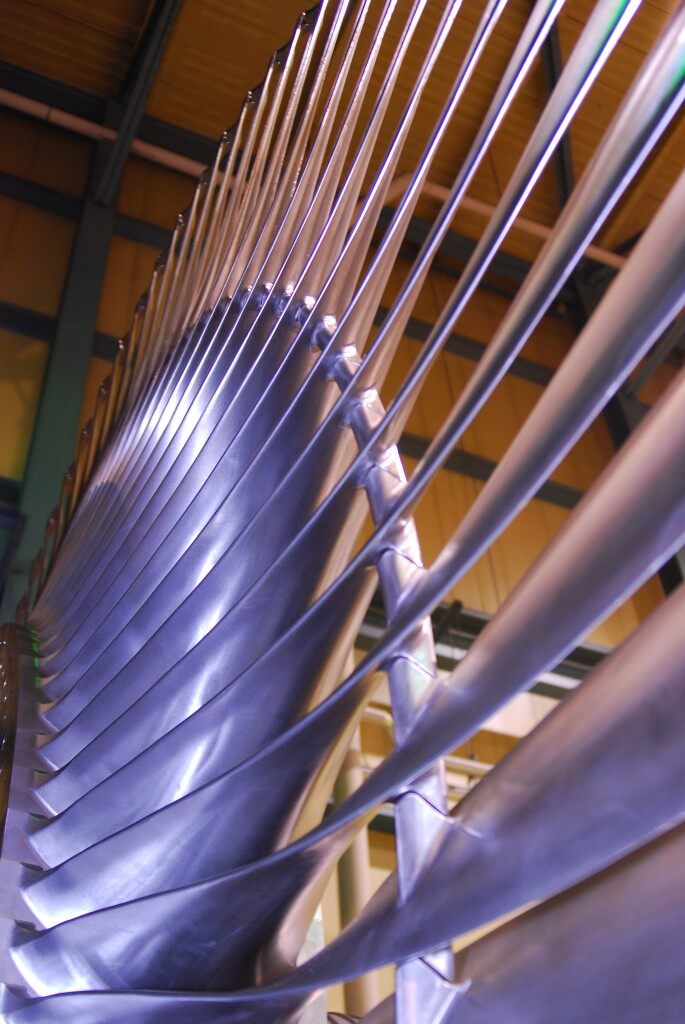
Steam Seal Restoration
Restore the Clearance. Control the Leakage.
Steam seal condition and clearances are inspected during overhaul, with adjustment, restoration or replacement performed according to actual condition.
- Seal condition inspection
- Seal segment inspection
- Clearance measurement
- Seal adjustment
- Local restoration where applicable
- Seal replacement
- Final clearance verification
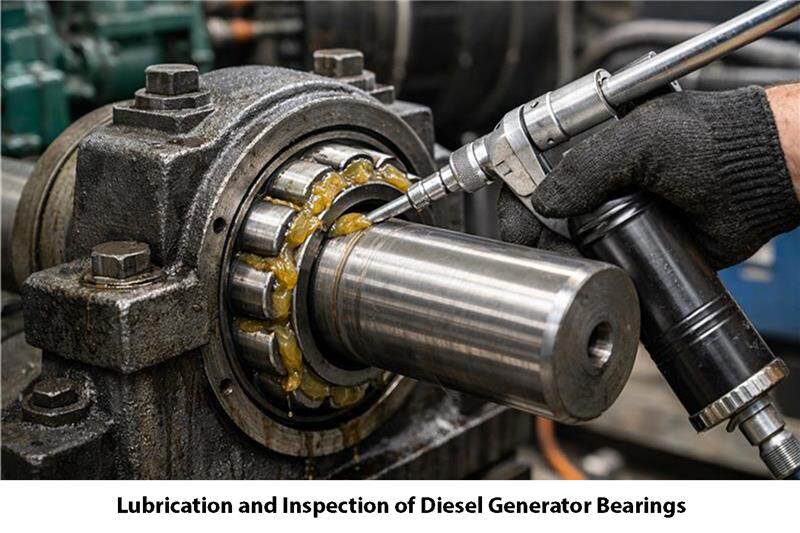
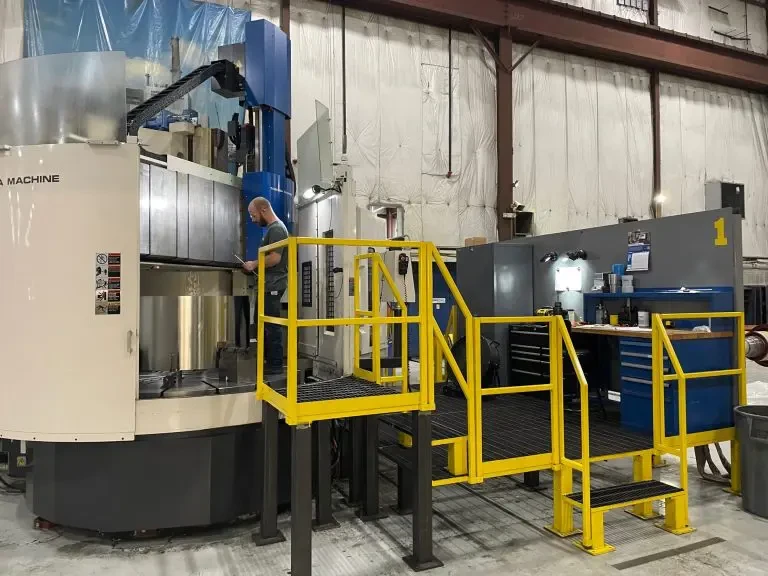
Valve Repair & Restoration
Main stop, governing and relevant turbine-system valves can require restoration when inspection identifies wear, leakage, sticking or component deterioration.
- Valve dismantling
- Valve body inspection
- Stem inspection
- Seat inspection
- Internal component inspection
- Surface-condition assessment
- Cleaning
- Repair / restoration
- Seal / packing replacement where required
- Reassembly
- Stroke / functional verification where applicable
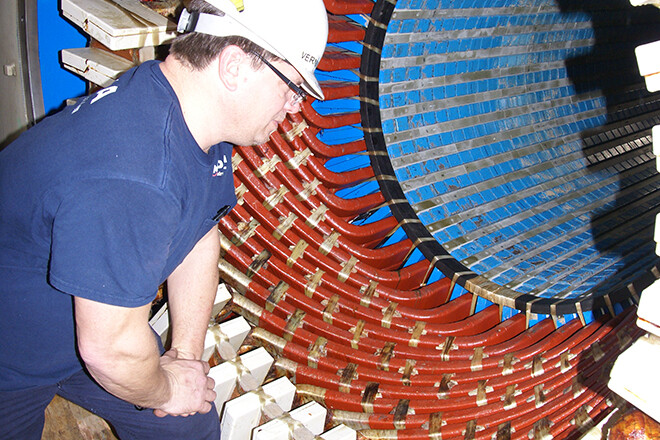
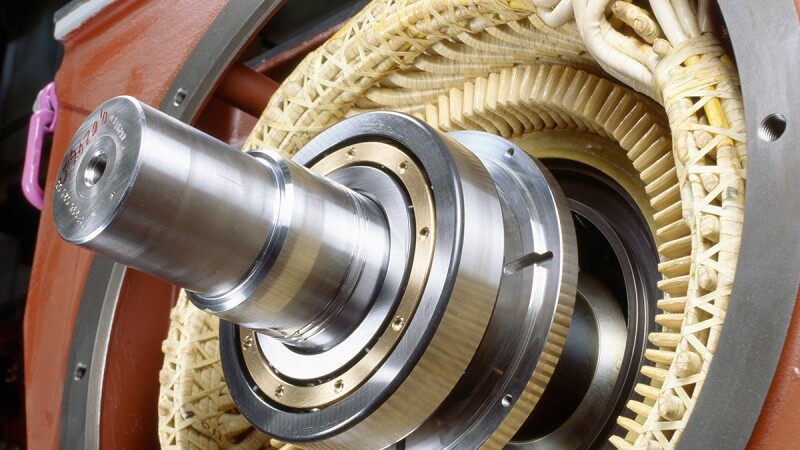
Generator Repair & Restoration
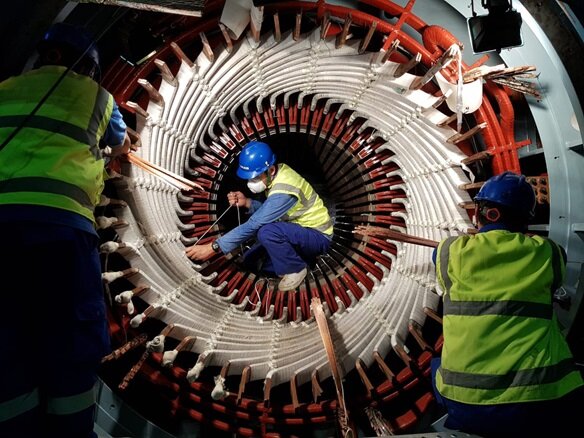
Mechanical and electrical findings identified during generator overhaul can require corrective work before the machine is reassembled and tested.
Mechanical
- Bearing-related repair
- Journal / shaft-related corrective work
- Coupling-related work
- Mechanical component restoration
- Adjustment and fitting
Electrical
- Connection-related repair
- Insulation-related corrective work
- Winding-related repair where applicable
- Excitation-component repair / replacement where applicable
Auxiliary Component Repair
Critical auxiliary components identified during overhaul can also be repaired or restored as part of the integrated turbine-generator scope.
The Right Repair Environment
On-Site When Practical. Workshop When Necessary.
On-Site Repair
Suitable for corrective work that can be safely and technically completed within the outage environment.
- Adjustment
- Minor restoration
- Component fitting
- Certain bearing / seal / valve work
- Local corrective work
Workshop Repair
Used when the component requires specialized equipment, controlled conditions or more extensive restoration.
- Rotor-related specialized work
- Precision machining
- More extensive component restoration
- Specialized generator repair
Through appropriate workshop resources where required.
Engineering Decision
Repair When It Makes Sense. Replace When It Doesn't.
The objective is not to repair every damaged component. The appropriate solution depends on defect severity, technical feasibility, reliability requirements, outage schedule and replacement availability.
Technical Condition
Can it be restored reliably?
Repair Feasibility
Is an appropriate repair method available?
Outage Requirement
Can it be completed within the required schedule?
Part Availability
Is replacement a better solution?
When Repair Is Not the Right Answer
Repair and Spare Parts Work Together.
When a component cannot or should not be restored, replacement parts can be identified and supplied according to equipment information, inspection findings and technical requirements.
Verification After Repair
A Repair Is Not Complete Until It Is Verified.
After corrective work, repaired components are inspected and measured as required before being released for reassembly.
From Finding to Restoration
Blade Restoration
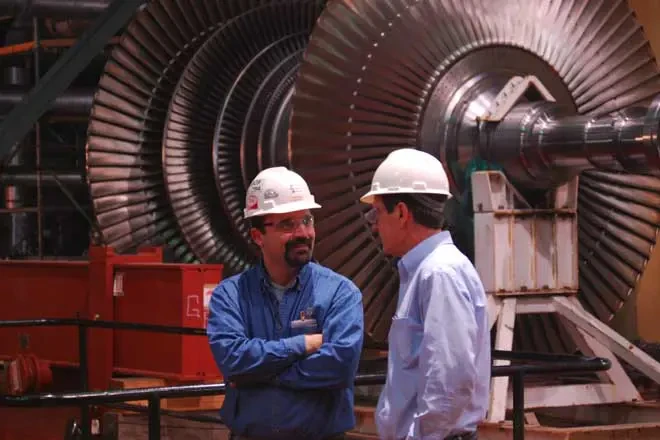
Bearing Work
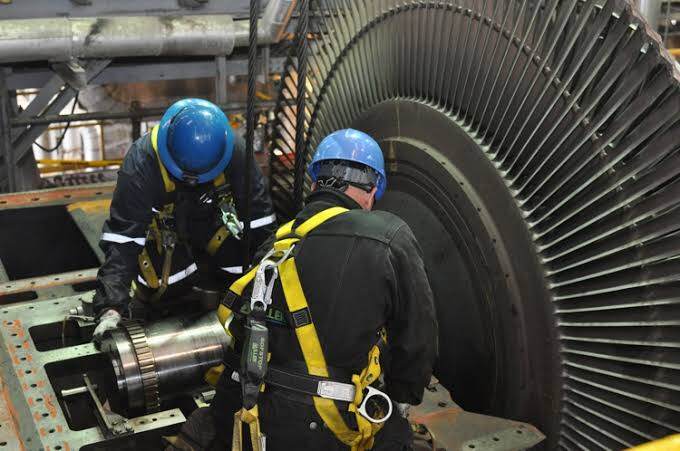
Rotor Inspection
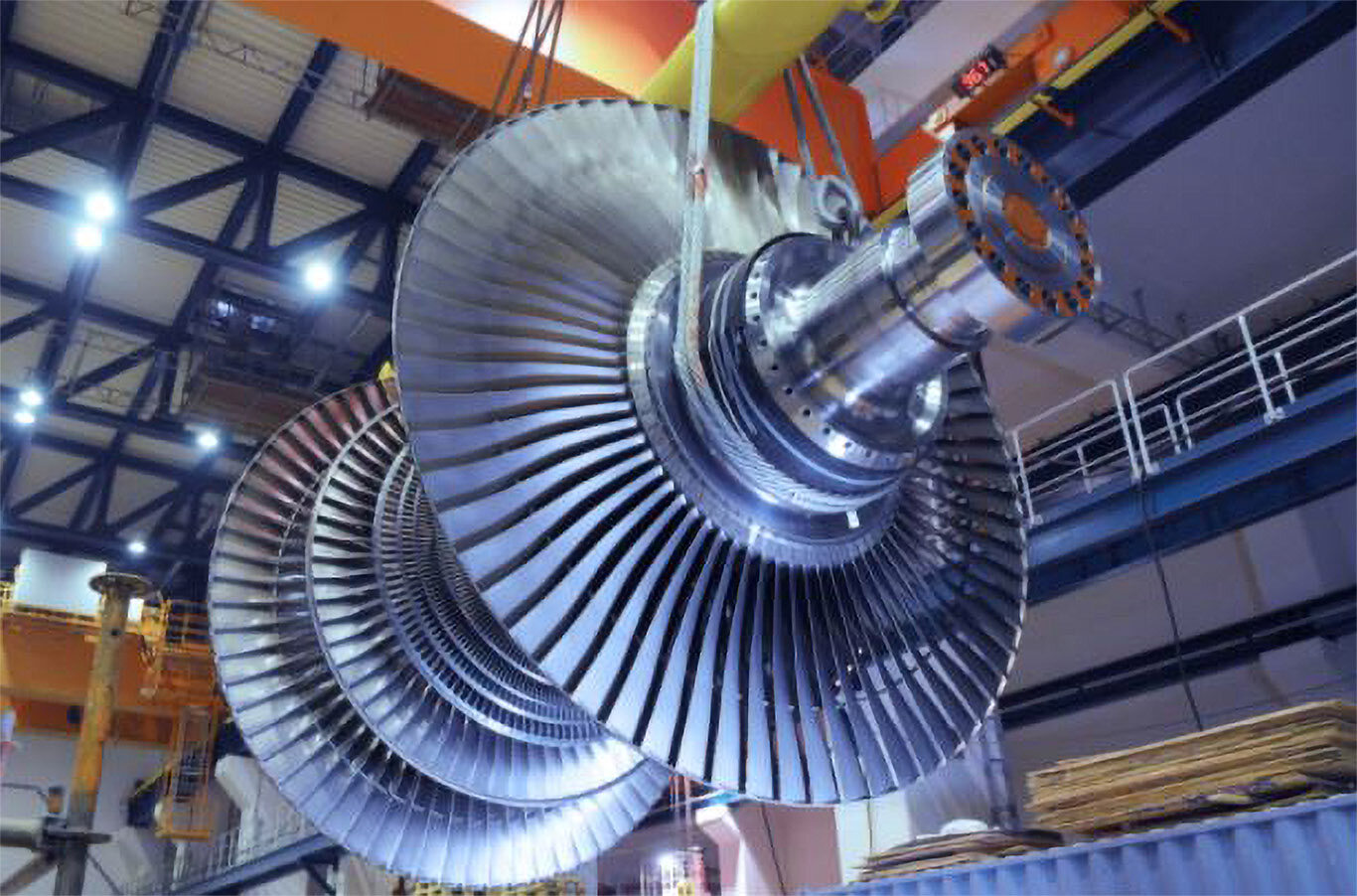
Component Assessment
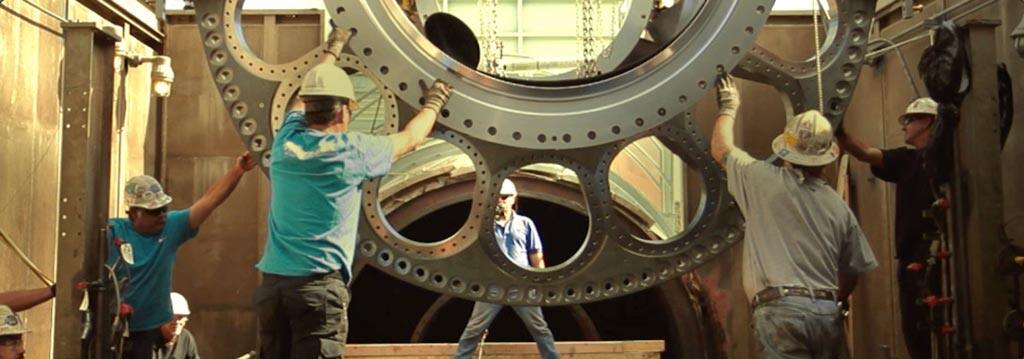
Precision Alignment
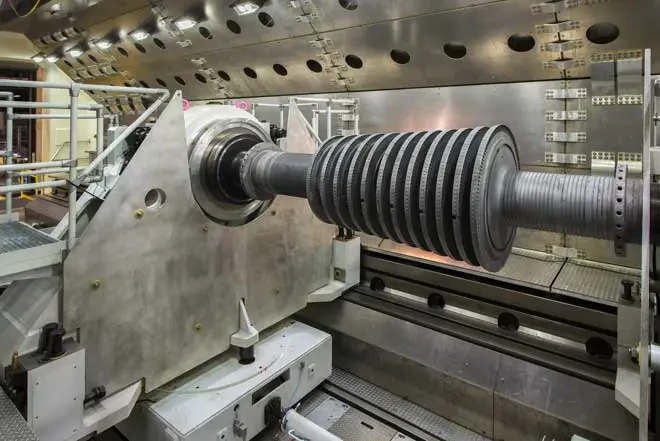
Generator Repair
From Defect to Return to Service.
After Restoration
Repair Restores the Component. Testing Verifies the Machine.
Field Experience
Repair as Part of Real Overhaul Work.
Rotor
Bearings
Steam Seals
Valves
Generator
Reassembly
Related Services
Found a Problem?
Let's Determine the Right Way to Restore It.
Send us component photos, equipment information, inspection findings and available measurements. Our team can review the condition and discuss repair or replacement options.